

As a Product Manager, you don’t need to write database queries every day, but you do need to make the right architectural decisions. One of the most common (and confusing) choices is:
Should we use SQL or NoSQL?
Let’s break this down in plain English.
First, what is a database?
A database is where your product stores data, including users, orders, payments, events, messages, logs, and more.
The two broad types you’ll hear engineers talk about are:
SQL databases
NoSQL databases
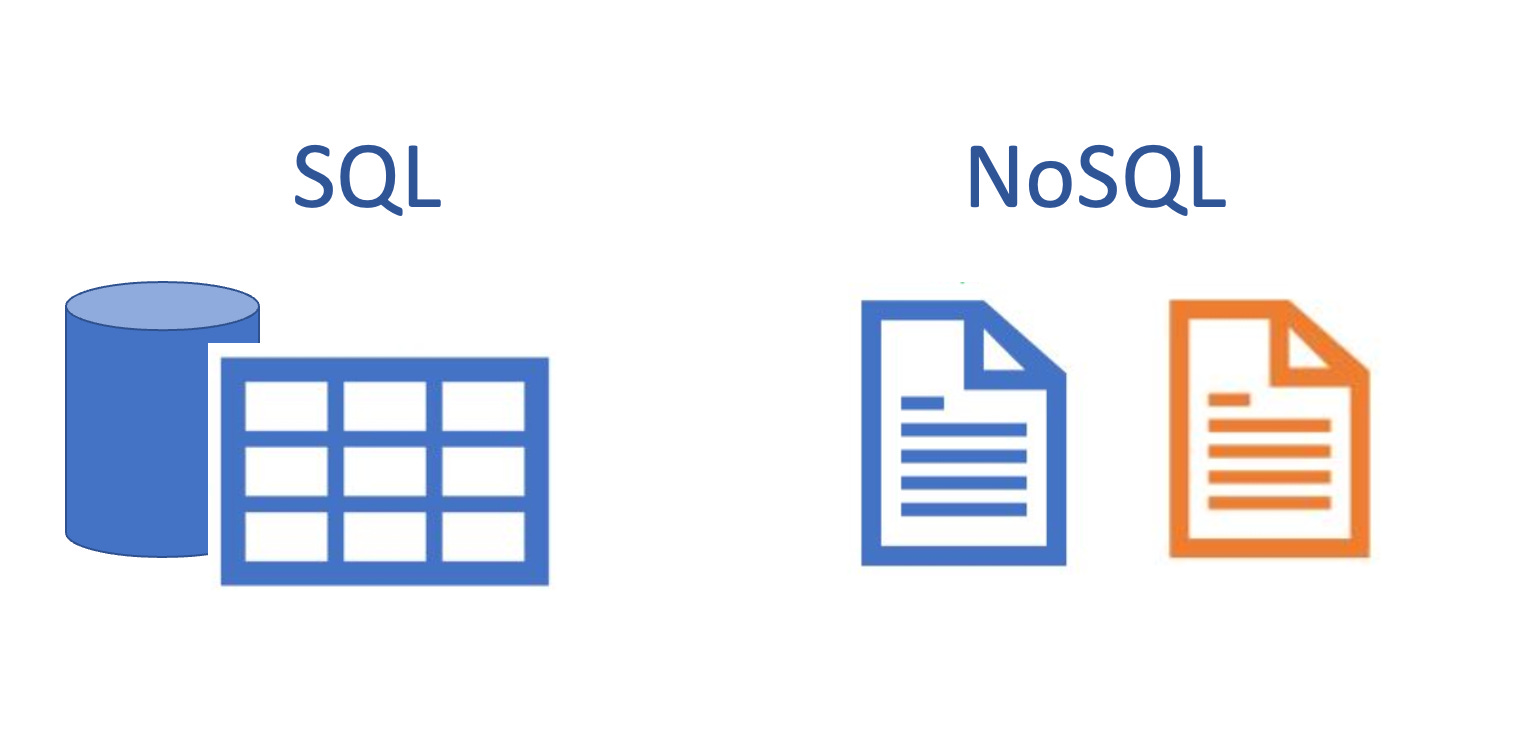
What is SQL?
SQL stands for Structured Query Language.
How SQL databases think
Data is stored in tables
Tables have fixed columns
Relationships between tables are clearly defined
Think of SQL like an Excel sheet with rules.
Example (SQL-style data)
User Table

| user_id | name  | email                                     |
| ------- | ----- | ----------------------------------------- |
| 1       | Rahul | [rahul@gmail.com](mailto:rahul@gmail.com) |
| 2       | Anita | [anita@gmail.com](mailto:anita@gmail.com) |
Order Table
| order_id | user_id | amount |
| ------- | ----- | -------|
| 2314 | 1 | 999 |
| 2315 | 2 | 432 |Here, user_id connects users and orders.
Key characteristics of SQL
Fixed schema (structure decided upfront).
Strong data consistency.
Great for complex queries and reporting.
What is NoSQL?
NoSQL stands for Not Only SQL.
How NoSQL databases think
Data is stored in flexible formats
No fixed schema
Each record can look different
Think of NoSQL like Google Docs, flexible and fast.
Example (NoSQL-style data)
{
  "user_id": 1,
  "name": "Rahul",
  "email": "rahul@gmail.com",
  "orders": [
    { "order_id": 2314, "amount": 999 },
    { "order_id": 2315, "amount": 439 }
  ]
}
Another user might have different fields altogether.
Key characteristics of NoSQL
Schema-less or flexible schema.
Highly scalable.
Optimized for speed and large volumes.
When should a Product Manager choose SQL?
Choose SQL when:
✔ Data structure is clear and stable
✔ Relationships matter (users → orders → payments)
✔ Accuracy is critical (finance, billing, inventory)
✔ You need analytics & reporting
Product example
Payment, Insurance, Banking, ERP systems
If an order is paid, it must be recorded correctly in a structured way, no compromise.
👉 SQL shines here.
When should a Product Manager choose NoSQL?
Choose NoSQL when:
✔ Data structure changes frequently
✔ Scale is unpredictable or massive
✔ You need very fast reads/writes
✔ Data doesn’t need complex joins
Product example
Chat apps, activity feeds, logs, analytics events
A WhatsApp message or user activity log doesn’t require a strict structure; speed is more important.
👉 NoSQL wins here.
A Real Product Scenario (Hybrid Approach)
Most modern products use both.
Example: E-commerce app
SQL → Users, orders, payments, refunds
NoSQL → Search history, product views, clickstream events
As a PM, this helps you:
Ask better questions.
Understand trade-offs.
Align tech decisions with business goals.